Eastern Art History

Chinese, Japan and India Arts

Documentary: The 4 art of chinese

Eastern Art is often characterized by its focus on harmony, linear elegance, and profound spiritual meaning

Key Masterpieces

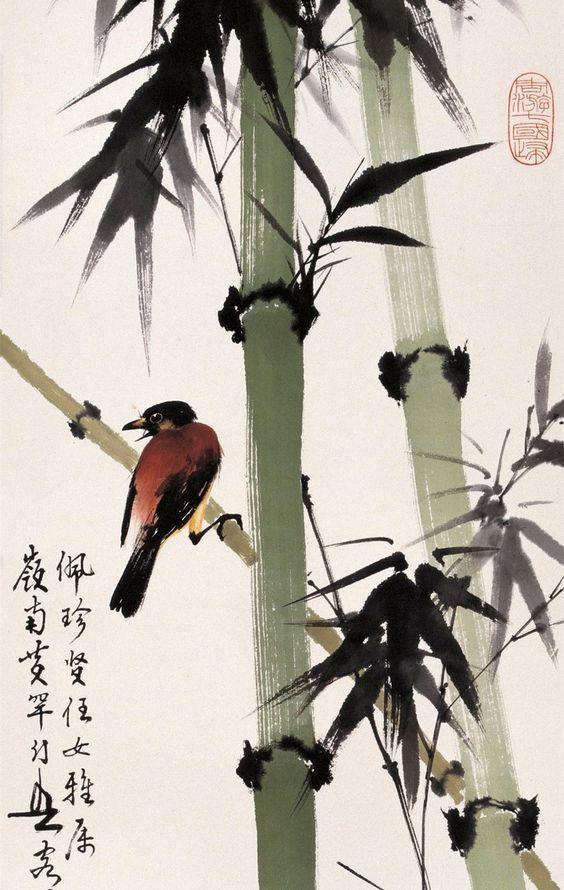
Mastery of the Brush

Chinese Calligraphy: The Highest Art

Chinese Calligraphy (Shūfǎ) is far more than just writing; it is considered the highest and most revered form of Chinese art, superior even to painting or sculpture. Ancient Roots: The art evolved from early oracle bone scripts and bronze inscriptions, formalizing its status during the Han Dynasty (206 BCE – 220 CE). The brush, ink, paper, and inkstone (the "Four Treasures of the Study") became sacred tools.
Starry Night

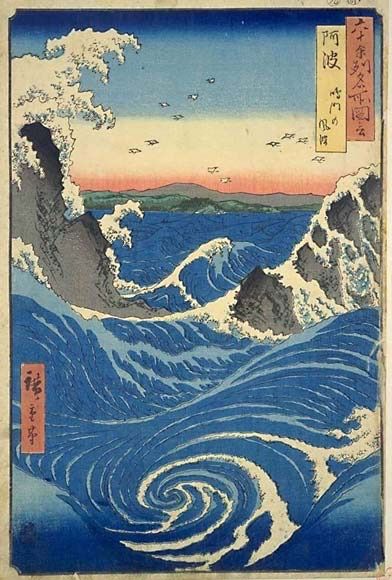
Japan's Floating World: Ukiyo-e

Japan's "Floating World" (Ukiyo-e) refers to a distinct genre of art that flourished during the peaceful Edo Period (1603–1868) and became the defining visual signature of that era. The Meaning: Ukiyo literally means "floating world," a Buddhist term originally referring to the transient nature of life. During the Edo period, it became a euphemism for the pleasure districts of the major cities, representing a world of fleeting fashion, theater, and entertainment.

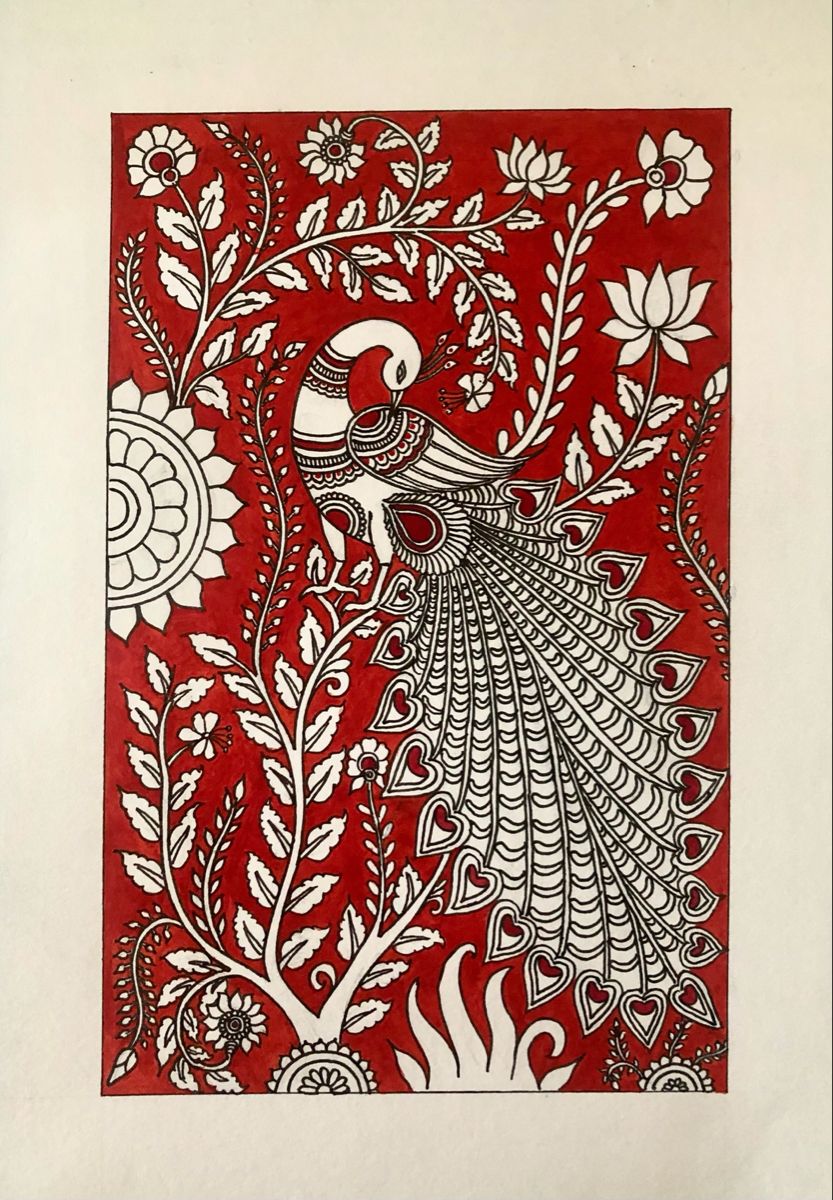
Kalamkari

Kalamkari

Kalamkari's history stretches back over 3,000 years, but it truly flourished in the medieval period, deeply tied to religious life and traveling tradition

Temple Art: Kalamkari initially served as a decorative medium for temple hangings and cloths. Large scrolls, known as Pata Paintings, were created to illustrate scenes from the Hindu epics—the Ramayana and the Mahabharata.