Islamic Art History

The Infinite Geometry of the Divine

Virtual Tour: The Alhambra

Explore the "Red Fortress" of Granada, where mathematics and poetry are carved into every wall.

Key Elements

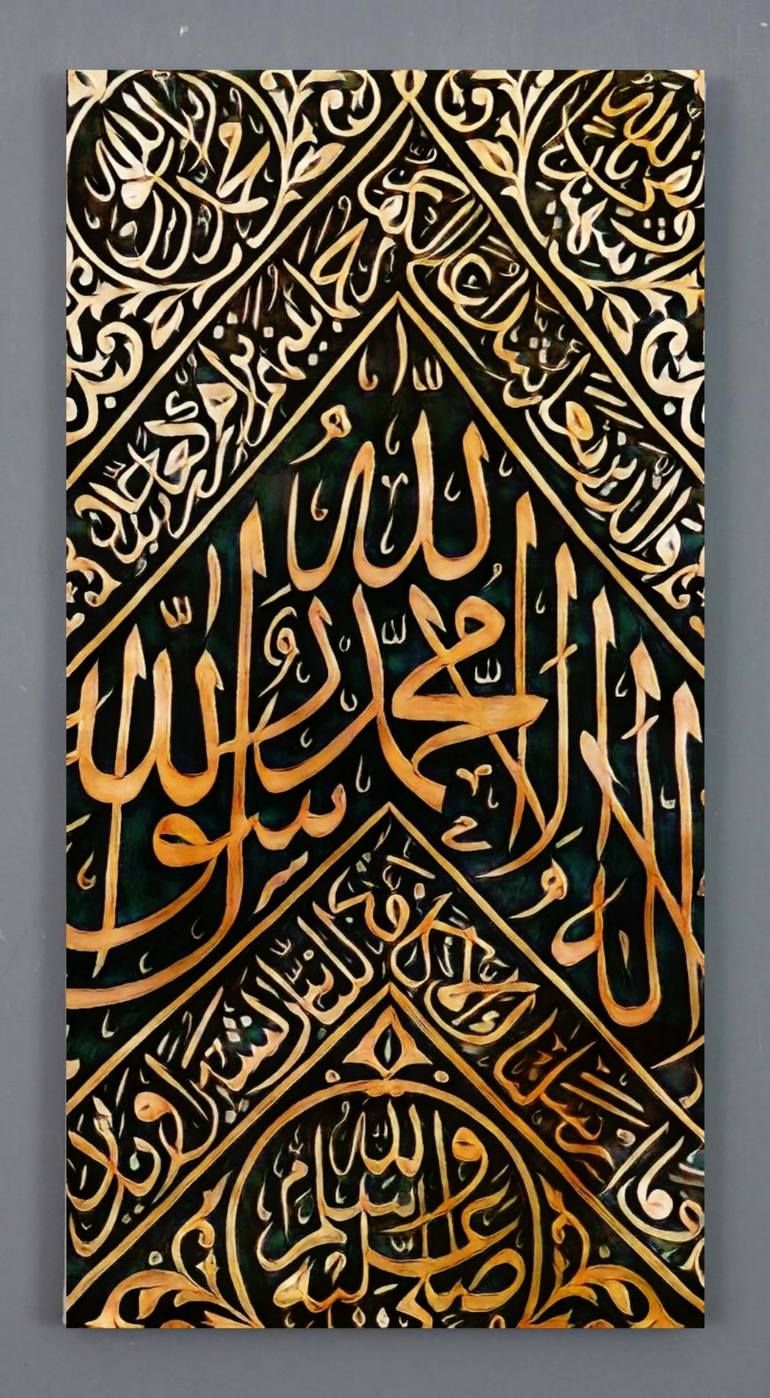
Calligraphy

Calligraphy: The Sacred Art

Calligraphy is considered the highest art form in Islamic culture. Since the Qur'an is the Word of God, the act of beautifully copying the text elevates the art to a sacred status.Function: It serves as a decorative element on almost every surface—from ceramics and textiles to monumental architecture. Styles: Calligraphers developed numerous scripts, including the angular, sturdy Kufic (often seen in early Qur'ans and architecture) and the flowing, rounded Thuluth (popular for decorative inscriptions).
Geometry

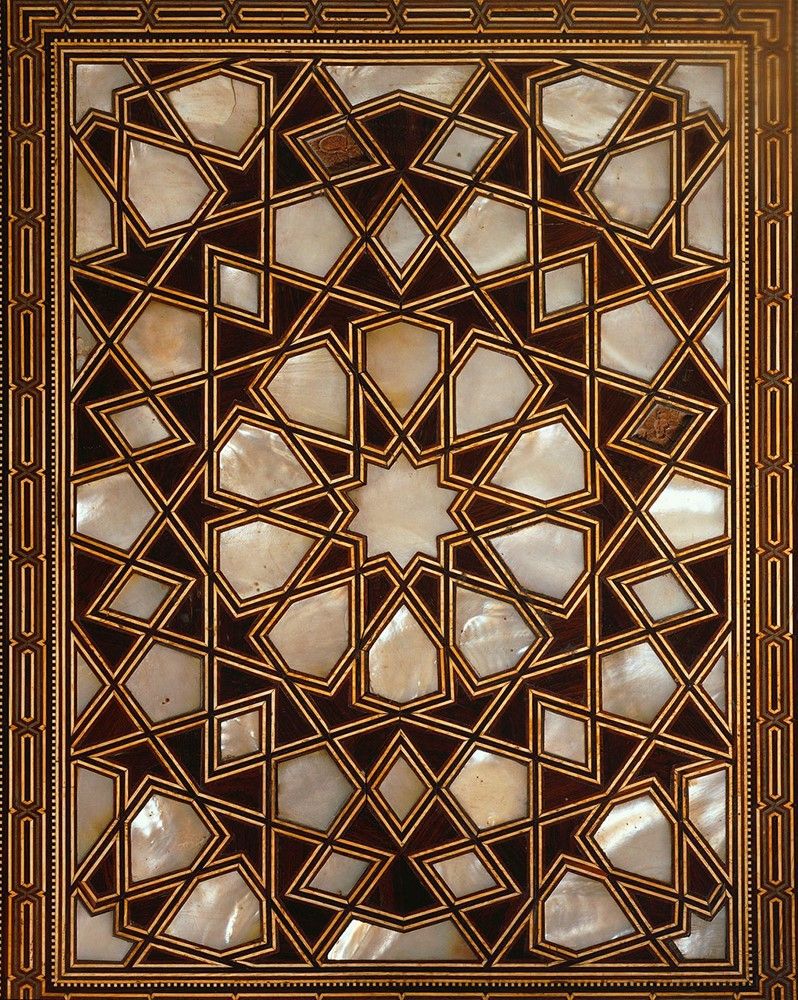
Geometry: The Language of Order

Geometric design became the visual language of the Islamic world, representing the infinite and indivisible nature of God and the order of the cosmos. Tessellations: This involves repeating, interlocking star patterns and polygons (Girih), which can theoretically extend forever without repetition, symbolizing infinity. Arabesque: This is the complementary non-geometric pattern, focusing on complex, rhythmic, curving vegetal (plant) patterns. Principle: These designs move away from realism toward abstraction, requiring the viewer to contemplate complex mathematical harmony.

Architecture

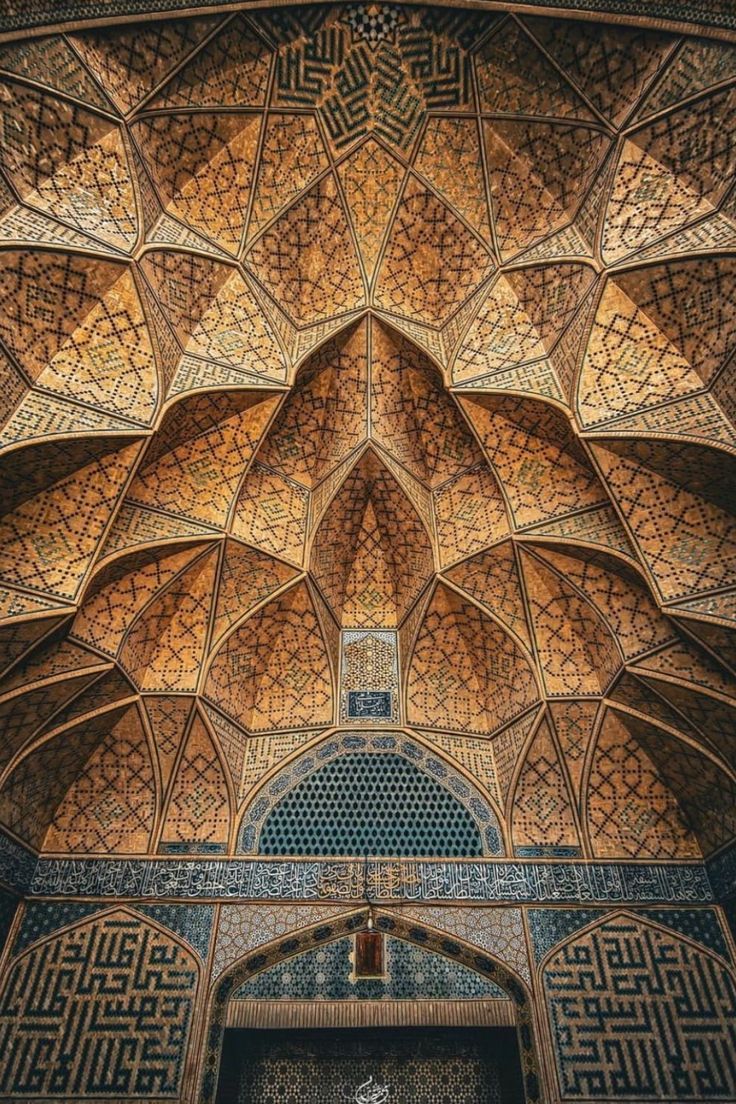
Architecture: Muqarnas

Islamic architecture serves as the monumental stage upon which calligraphy and geometry are applied. Key Structures: The main focus is the Mosque (Masjid), characterized by a large prayer hall, often a courtyard (Sahn), a niche pointing to Mecca (Mihrab), and tall towers (Minarets). The Dome: Symbolically represents the vault of heaven and often features complex geometric or calligraphic tiling inside. Muqarnas: A unique, three-dimensional architectural decoration that resembles honeycomb or stalactites. These intricate vaultings are geometric masterpieces used to transition smoothly between a square room and a circular dome, seemingly dissolving the solid structure into light and complexity.